![Asset 2.png]](https://www.cotes.com/hs-fs/hubfs/Asset%202.png?height=22&name=Asset%202.png)
Humidity conditions in pig stables can influence the microclimate experienced by the animals, particularly near the floor. When residual moisture evaporates from concrete surfaces, it absorbs heat and can lower the floor temperature. This may create local conditions that differ considerably from the temperature and relative humidity measured elsewhere in the stable.
For piglets resting directly on the floor, these local conditions can affect thermal comfort. Maintaining drier floors and reducing uncontrolled evaporation can therefore contribute to a more stable environment during the early stages of production.
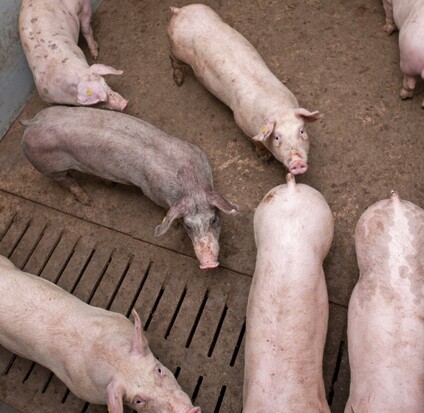
Dehumidification addresses this issue by removing moisture from the air and supporting the drying of building surfaces. This can help reduce the amount of residual moisture present when animals are introduced into the stable.
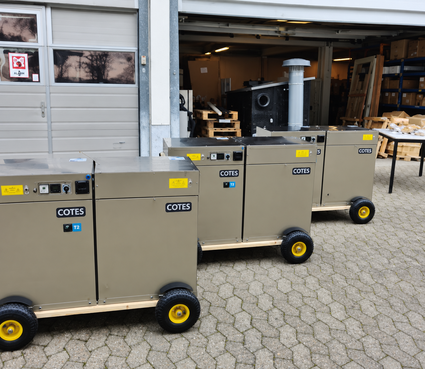
Trials carried out with farmers and veterinarians have shown encouraging results. Under tested conditions, observations have included up to 8% higher daily weight gain in piglets, improvements in selected welfare indicators and reductions in certain health-related problems.
These observations suggest that improved moisture management can contribute positively to animal welfare and production conditions. However, dehumidification is one part of the overall stable climate strategy, alongside heating, ventilation and management practices.
The actual effects depend on factors such as stable design, ventilation rates, temperature, drying procedures and general operating conditions.