





SEARCH

What are you looking for?

    Dry-air solutions for

    Offshore Wind Energy

    Trusted by [amongst others]:

    Protect Wind Turbines from Humidity, Condensation and Corrosion

    Your wind turbines are exposed to the elements from the moment they leave the production floor. Whether your wind turbine is onshore, nearshore or offshore, you need a dry-air strategy to avoid mould, corrosion and electrical faults in your turbines.

    The good news is that we can help you. With over 20 years of experience in the wind industry and working with some of the biggest names out there, we have helped them protect their assets and maximise the operational uptime of their turbines.

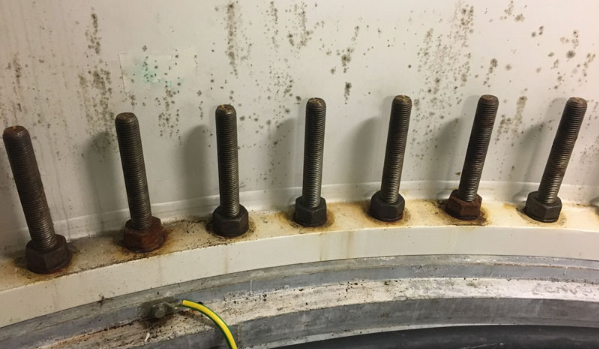
    wind turbine mould


    Ensure wind turbine reliability, longevity and lower maintenance

    Humidity is often invisible until damage has already occurred.

    As temperatures change inside a turbine, relative humidity changes as well. When surfaces cool below the dew point of the surrounding air, condensation can form.

    In contaminated environments, humidity can activate salt deposits and create conductive moisture films that accelerate corrosion and increase the risk of electrical faults.

    These mechanisms can contribute to:

    • Corrosion of structural and electrical components
    • Reduced insulation resistance
    • Electrical leakage currents
    • Control system instability
    • Increased maintenance requirements
    • Reduced turbine availability

    The challenge is not simply moisture. It is the combination of humidity, contamination and temperature variation.

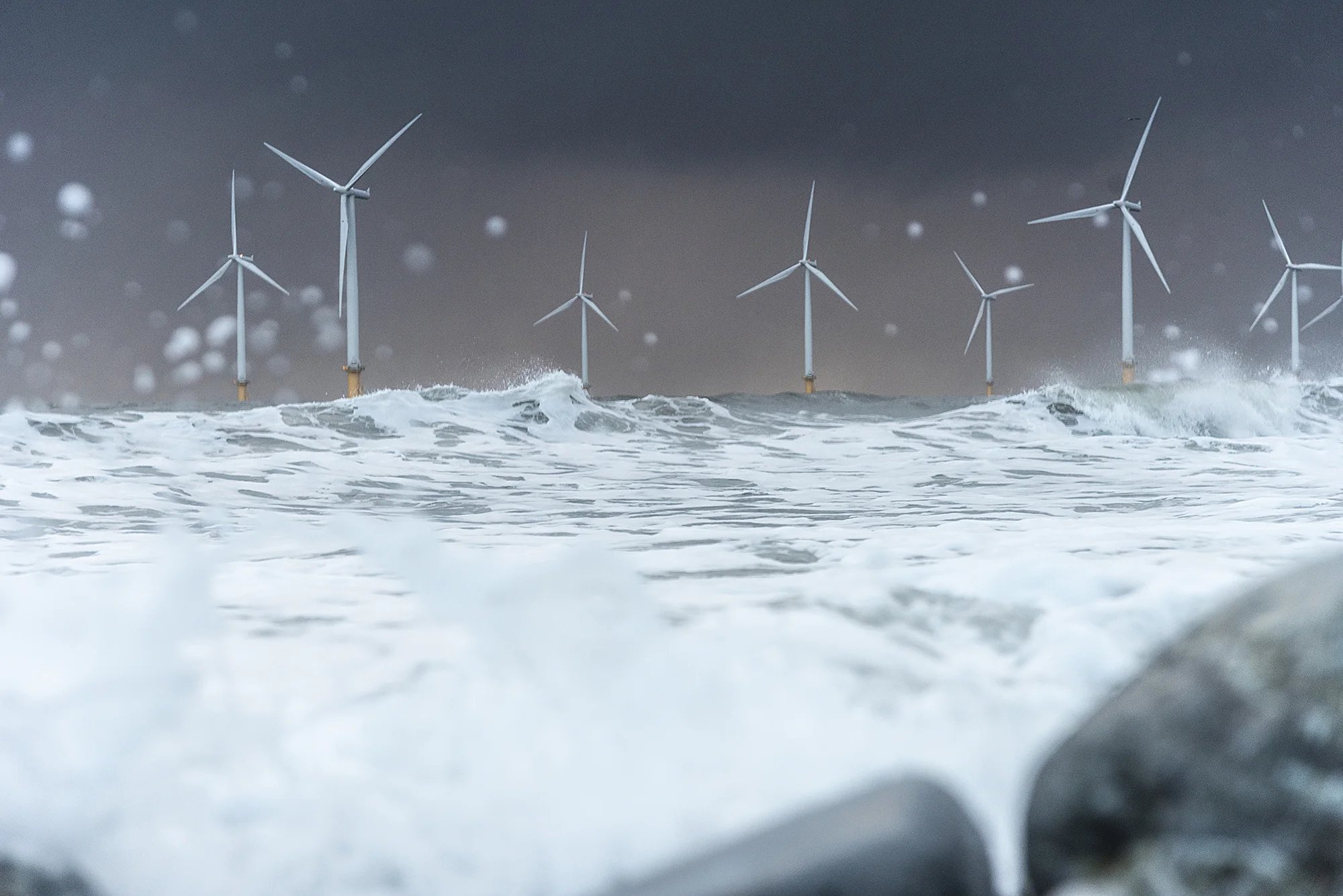
    Offshore wind turbines exposed to the elements


    Offshore Wind turbine life cycle

    What is your dry-air strategy?

    The right way to dry your wind turbine depends on your specific dry-air strategy and how much consideration has been given to the issue of unwanted humidity. We provide different dry-air solutions from design collaboration through to retrofitting for extending end-of-life, reducing maintenance cost, avoiding wind turbine failure and wind turbine downtime—maximising uptime.


    Integrated Design

    Having a dry-air strategy for your wind turbine starts at the design process. Onshore and offshore turbines are designed with different locations and weather conditions in mind, yet they face similar challenges with mould, corrosion and electrical faults.

    Effective, reliable control of corrosion means wind turbine manufacturers are able to work with lower ISO 9223 classification requirements and lower IP classes — which means lower costs for wind turbine materials, coatings and components. Cotes technology and know-how enable you to roll back key manufacturing costs by as much as 10–30% because standard-spec coatings, parts and fittings are sufficient.

    GE Haliade-X

    Transportation

    The nacelles, hubs and towers of wind turbines – and all the sensitive equipment and electronics inside them – are exposed to tough conditions from the moment they leave the factory all the way to the site. Some turbines are in transit for months on end before becoming operational.

    Cotes dehumidifiers keep nacelles and towers — and the expensive fixtures inside them — in ready-for-service condition while en route to the site. This provides big savings on commissioning as well as rolling back maintenance and service costs — and keeps up the in-service revenue stream.

    CL26 Lightweight dehumidifier

    Storage

    © Vestas Turbine Parts at Able Seaton Port’s Installation Base for the 857MW Triton Knoll Offshore Wind Farm

    En route to the wind farm site, towers and nacelles are often stored out in the open on trucks, rail cars, ship decks, storage areas and quaysides, exposed to fluctuating temperatures and weather conditions for extended periods of time. Cotes dehumidifiers can help you protect these assists even before they become operational.

    Explore Cotes Mobile range

    Offshore Foundation

    In the case of offshore wind turbine installation, the foundations of these turbines can be installed for many months, even years before the turbine arrives on site. This leaves the foundation and electrical equipment exposed to moist and salt-laden air. 

    Get a product recommendation

    Substations

    A good dry-air strategy does not stop at the wind turbine. The substations that gather the power from the wind farm and connects it to the grid are also vulnerable to the elements. These substations are full of sensitive electrical equipment that need to be protected from corrosion and mould and if they shut down due to electrical faults, it means the whole wind farm becomes nonoperational. Some substations are required to be operational without servicing or maintenance for up to 12 months at a time which makes having an effective dry-air strategy crucial. 

    Overpressure dehumidification systems

    (Video in Danish with English subtitles)

    The right dry-air solutions for your offshore assets

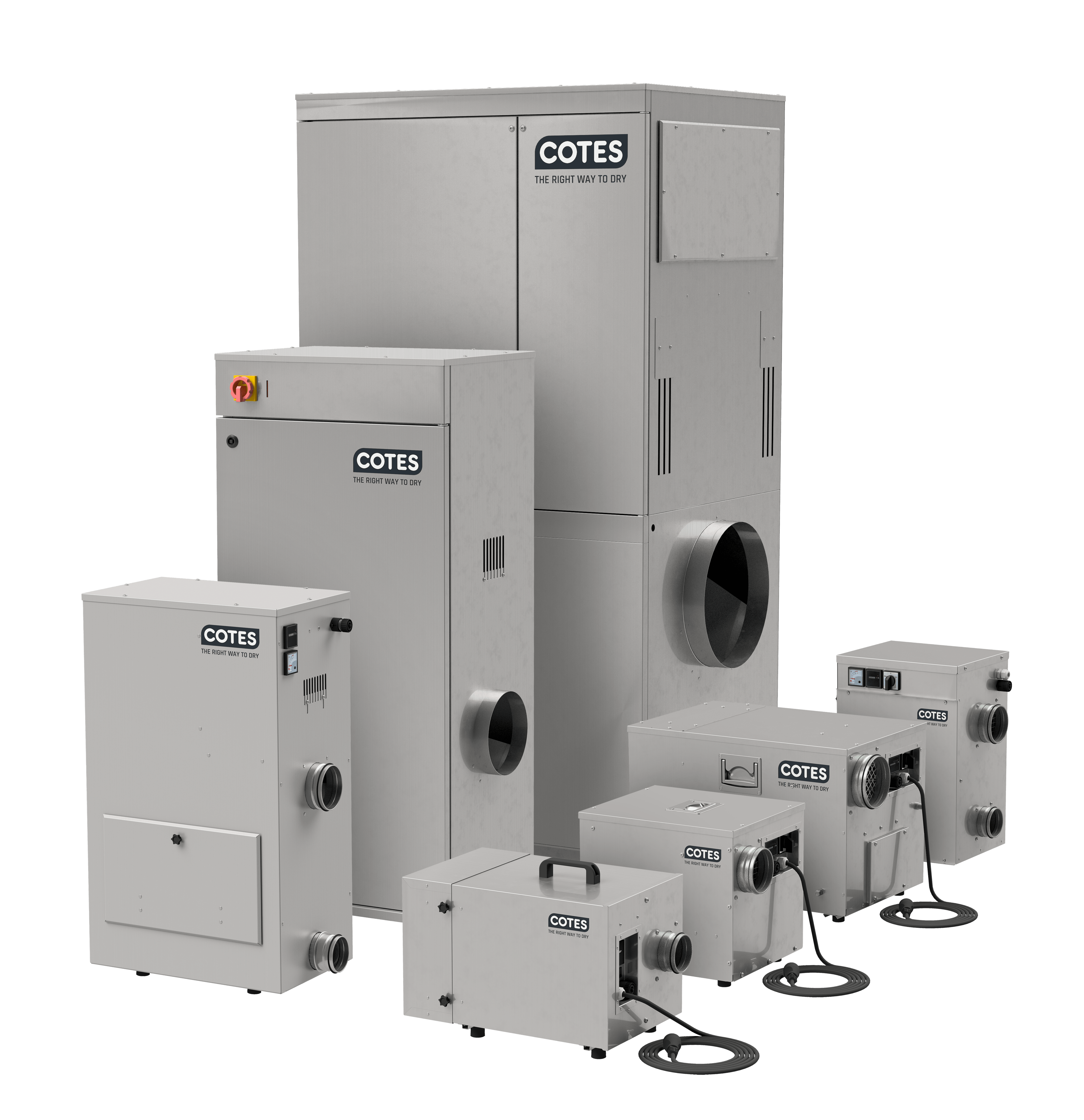
    20210615 Productimage_Wind_Lineup_Steel overlay-min-1


    Unlike many industrial assets, wind turbines operate as dynamic climate systems.

    • They experience:

    • Daily temperature fluctuations

    • Seasonal weather changes

    • Pressure differentials

    • Continuous air exchange

    • Remote operating conditions

    • Limited maintenance access

    As the turbine breathes and ambient conditions change, moisture and contaminants can enter the structure and influence internal environmental conditions.

    Over time, this can create ideal conditions for corrosion, condensation and degradation of sensitive equipment.