SEARCH

What are you looking for?

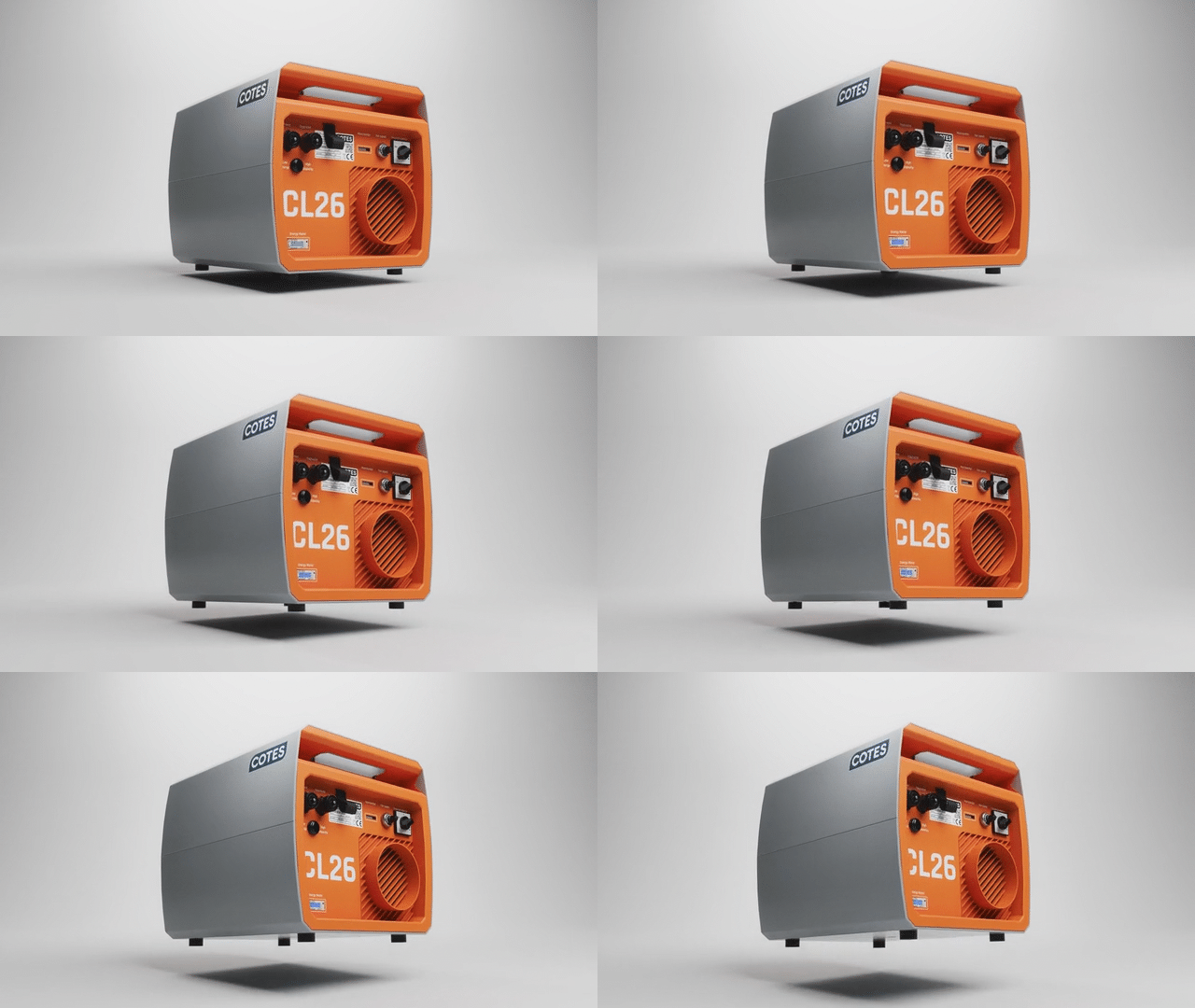
    Award Winning Cotes Dehumidifier - CL26-low
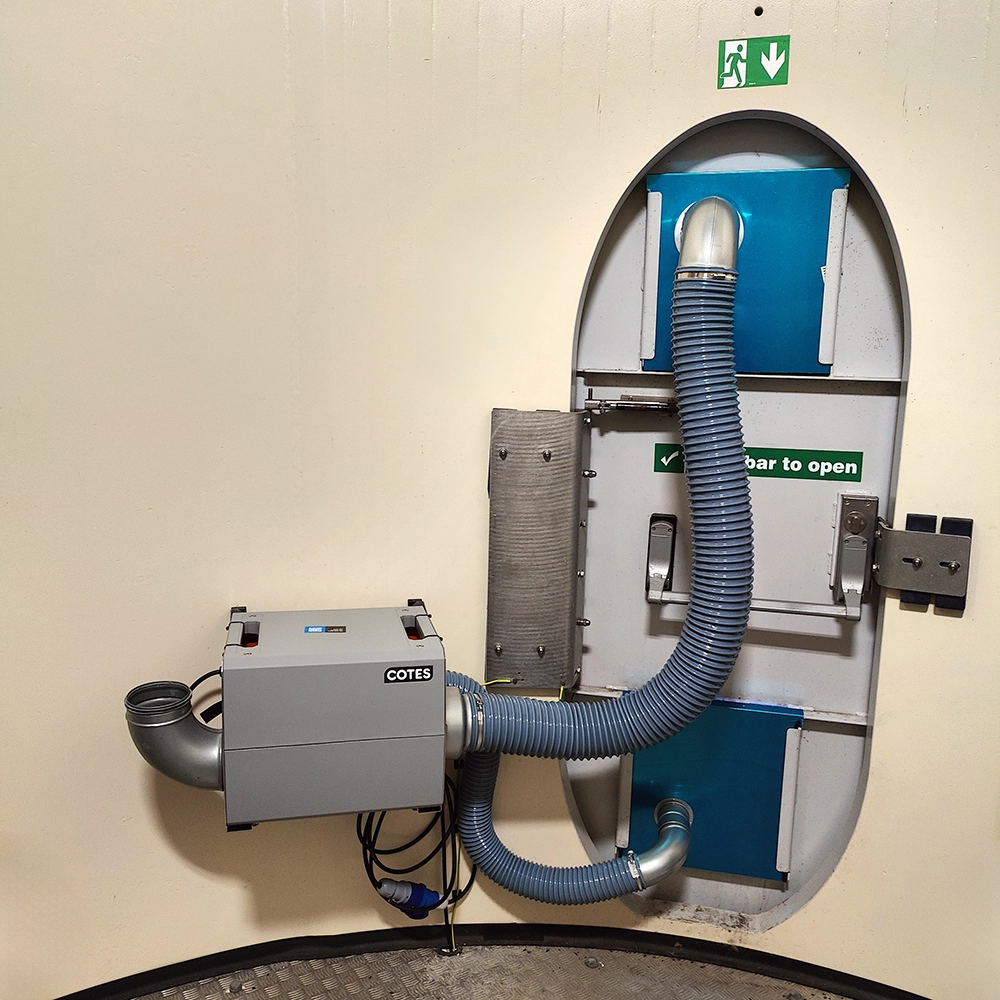
    CL26_Wind_Turbine_Tower_Wall_Installation
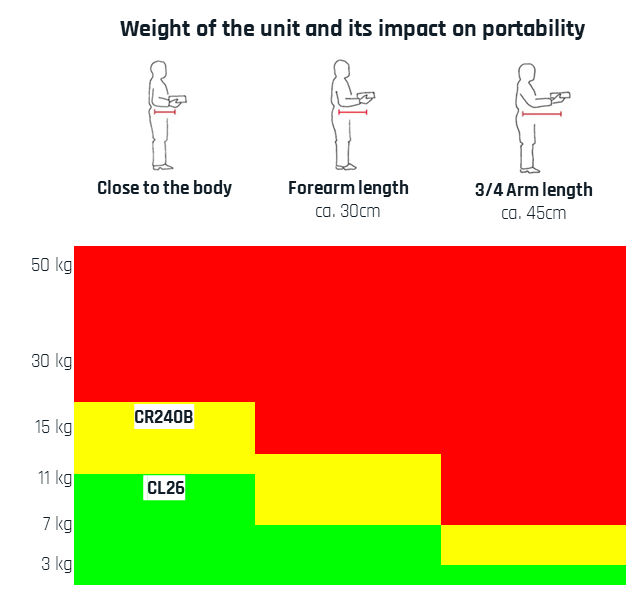
    OI_Damage Service_Graph_Weight Handling Comparision CL26 vs Condensation_EN_202407-1
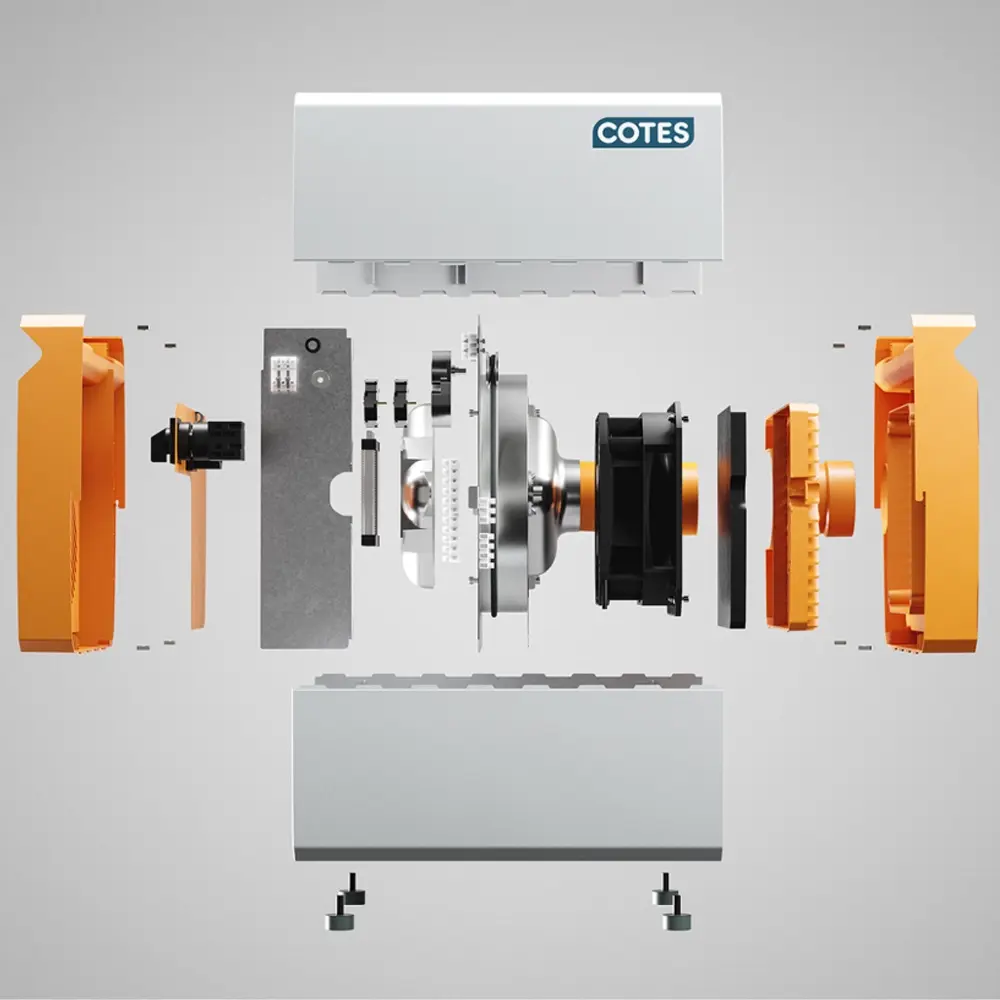
    WebSite Product Images 1000x1000 CL26
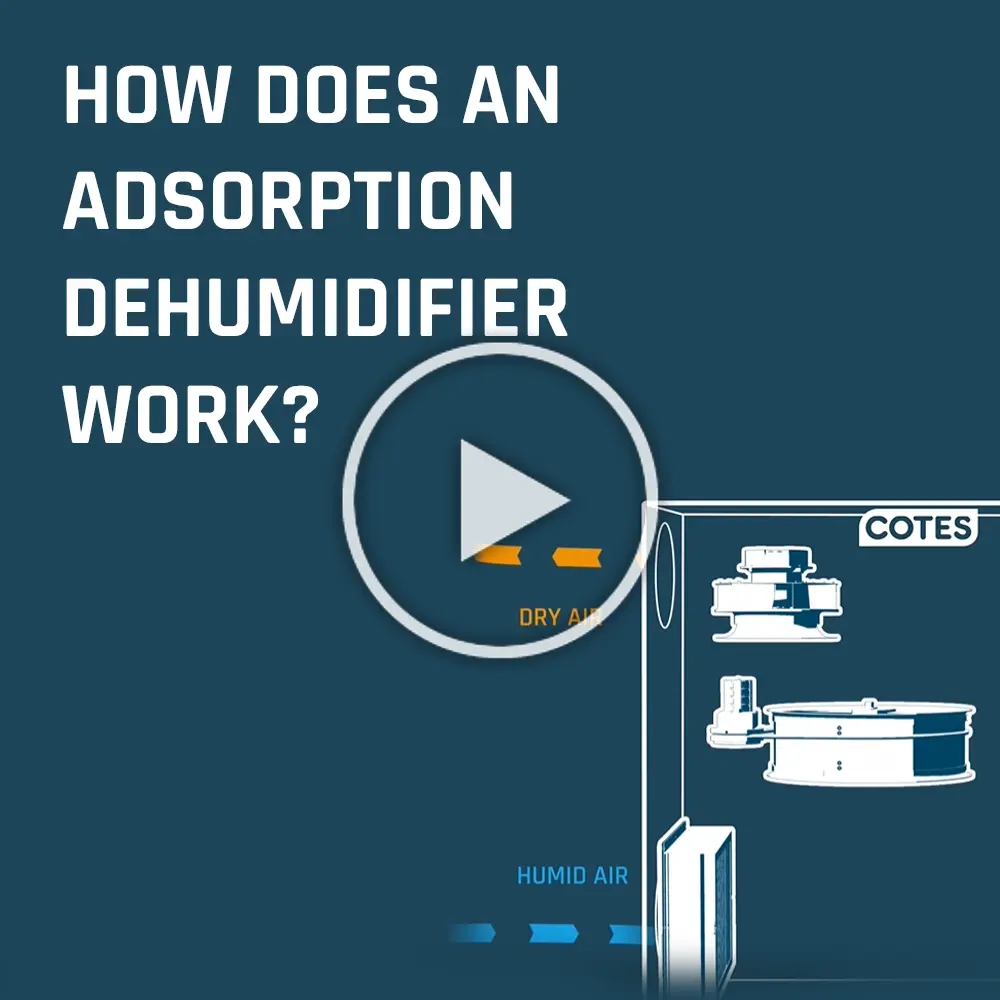
    Product Thumbnail 1000x1000 How DHU works
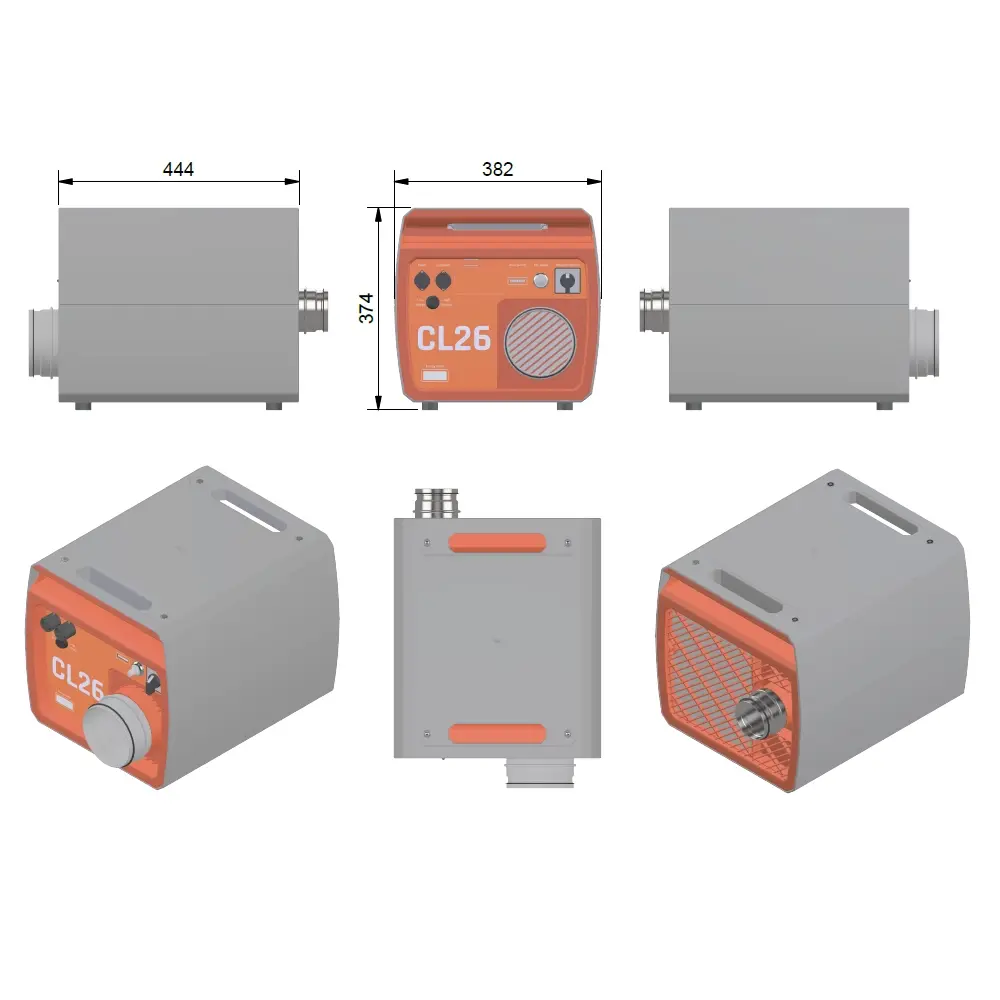
    WebSite Product Images 1000x1000 CL26-spread
    Award Winning Cotes Dehumidifier - CL26-low
    CL26_Wind_Turbine_Tower_Wall_Installation
    OI_Damage Service_Graph_Weight Handling Comparision CL26 vs Condensation_EN_202407-1
    WebSite Product Images 1000x1000 CL26
    Product Thumbnail 1000x1000 How DHU works
    WebSite Product Images 1000x1000 CL26-spread
    Cotes Lightweight

    CL26 Wind Turbines

    Lightweight adsorption dehumidifier for onshore wind turbine retrofit

    The CL26 is part of the Cotes Lightweight product family. It is a portable adsorption dehumidifier developed to support humidity control in existing onshore wind turbines, where fast deployment, easy handling, and flexible installation are essential.

    The unit uses Cotes' proven rotor-based adsorption technology to reduce the internal dew point inside turbine towers, nacelles, and electrical compartments, helping prevent condensation, corrosion, and humidity-related electrical faults.

    The designation CL26 follows Cotes naming logic: CL refers to Cotes Lightweight, and 26 refers to the rotor size used in the adsorption process.

    Position within the Cotes Lightweight product family

    Cotes Lightweight centres on the CL26 and represents a deliberate design approach for mobile and retrofit humidity control applications in wind energy.

    The product range was originally developed to meet strict handling and deployment requirements, making it well suited for distributed wind fleets where installation speed, portability, and operational flexibility are critical.

    A key advantage for wind turbine retrofits is the lightweight cabinet concept. The CL26 uses high-performance recycled plastic materials rather than traditional heavy-duty steel construction, enabling easy transport and installation in confined turbine environments.

    Humidity inside wind turbines is driven by changing ambient conditions, temperature fluctuations, and air infiltration. As humid air cools below its dew point, condensation forms on internal surfaces and electrical components. By lowering the internal dew point, the CL26 addresses the underlying physical mechanism behind corrosion and electrical instability.

    Read more + Read less -
    Portable retrofit solution: Lightweight design (10.9 kg) supports easy transport and installation across distributed wind fleets.
    Adsorption drying principle: Rotor-based moisture removal delivers stable performance across varying temperatures and humidity conditions.
    Dew point control: Reduces the risk of condensation on turbine structures, control cabinets, and electrical components.
    Two operating modes: Select higher moisture removal capacity or lower energy consumption depending on operational requirements.
    Remote humidity control:Compatible with external hygrostat control for automatic operation based on humidity conditions.
    Service-friendly design: Compact construction supports rapid deployment during maintenance campaigns, pilot installations, and seasonal humidity control projects.
    Request a quote
    COtes Winds RedDot Award Industrial Design


    Cotes Wind RedDot Award Innovative Design200


    Cotes wins German Design Award 2026


    TECHNICAL DATA

    Model DRY AIR (M3/H) REGENERATION AIR (M3/H) CONNECTED LOAD (kW) MOISTURE REMOVAL CAPACITY (KG/H) DIMENSIONS (WxDxH) DATASHEET PRODUCT MANUAL
    CR80B-FCS 80 40 0.83 0.44 485 / 313 / 327 Datasheet
    Request Manual
    CR100 100 40 1 0.6 373 / 284 / 520 Datasheet
    Request Manual
    CR240BW 240 40 1.05 0.8 400 / 333 / 361 Datasheet
    Request Manual
    CL26 Wind Turbines 350 /250 65 / 40 1.01 / 1.57 1.1 / 0.8 450 / 382 / 374 Datasheet
    Request Manual
    CR400BW 400 90 1.97 1.4 623 / 405 / 431 Datasheet
    Request Manual
    check

    RETROFIT DEPLOYMENT

    Developed for fast installation and relocation across existing onshore wind turbines, supporting maintenance campaigns and fleet-wide retrofit programmes.

    check

    WIND APPLICATION KNOW-HOW

    Designed for humidity control in towers, nacelles, and electrical compartments exposed to changing environmental conditions. 

    check

    ADSORPTION DRYING PRINCIPLE 

    Rotor-based adsorption dehumidification removes water vapour and lowers the dew point independently of refrigeration-based cooling performance.

    check

    LIGHTWEIGHT FAMILY DESIGN 

    Built using lightweight, high-performance recycled plastic materials to simplify transport, handling, and installation.

    Frequently Asked Questions

    For our full FAQ section you can go to www.cotes.com/FAQ 

    On this page we highlight some of the more frequently asked questions from customers.


    What is the CL26 designed for?
    open close

    The CL26 is designed for humidity control in existing onshore wind turbines where rapid deployment, mobility, and easy installation are important.

    Typical applications include tower bases, nacelles, converter compartments, electrical cabinets, temporary maintenance projects, and pilot retrofit installations.

    The Lightweight family was developed to reduce weight and support safe manual handling for transport and deployment. The CL26 thereInternal turbine climates follow ambient weather conditions and can experience significant temperature and humidity fluctuations. When surfaces fall below the air dew point, condensation occurs. Moisture can also activate contaminants, creating conductive films that accelerate corrosion and electrical faults.

    Lowering the internal dew point helps prevent these failure mechanisms before they occur.fore uses high-performance plastic materials (including recycled plastic) rather than a traditional stainless-steel cabinet approach. 

    To determine suitability, the following factors should be evaluated:


    • Turbine model and available installation space


    • Internal compartment volume


    • Typical temperature and humidity conditions


    • Moisture ingress points


    • Target humidity or dew point levels


    • Availability of power and duct routing


    Understanding these conditions helps define the required humidity control strategy and expected performance.