


 2.2 billion people lack access to safely managed drinking water
3.4 billion lack access to safely managed sanitation
2 billion lack basic handwashing facilities
UNICEF’s Water Game Plan: Universal safe and sustainable water services for all by 2030 aims to ensure universal access to safe and sustainable water services. It emphasises targeting marginalised communities first and accelerating progress towards water service goals.
Advancing water, sanitation, and hygiene practices in Indian households
In India, less than 50% of the population has access to safely managed drinking water. Additionally, the situation is worsened by the fact that two-thirds of India’s 718 districts are experiencing extreme water depletion.
The WASH programme is positioned to prevent malnutrition and preventable diseases, reduce neonatal mortality, and improve education outcomes. UNICEF has extended its program from rural to urban areas, addressing sanitation gaps often overlooked among the urban poor. In the past five years, India has intensified its efforts to ensure that all its citizens, particularly children, have access to essential WASH services.
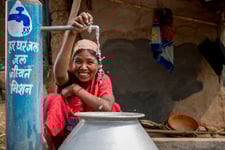
In Khala Village, Ambikapur, Chattisgarh, access to clean water is transforming lives. Samir (left), 9 years old, and Aradhna (middle), 12 years old, are among the many benefiting from a tap installed outside their homes. This simple convenience means easier access to safe drinking water, promoting health and hygiene within the community. Hiramani's joy (right) reflects the broader impact of having a reliable water connection, enhancing the quality of life for villagers. Such initiatives highlight the importance of infrastructure in fostering well-being and development in rural areas.
.webp) @UNICEF/UNI533697/India/2024 @UNICEF/UNI533697/India/2024 |
.webp) @UNICEF/UNI535578/India/2024 @UNICEF/UNI535578/India/2024 |
 @UNICEF/UNI535574/India/2024 @UNICEF/UNI535574/India/2024 |
Health initiatives in Guatemala: water access and malnutrition prevention
In Guatemala, only 56% of the population has access to safe drinking water services. The WASH initiative aims to guarantee that a greater percentage of the population can access clean and safe water, improve their living conditions and prevent diseases.
UNICEF, supported by the European Union, is implementing the Comprehensive Strategy to combat Chronic Malnutrition in the country, which affects 1 in 2 children under 5 years of age. The project integrates interventions in nutrition, health, water and sanitation, education, and early childhood development. It prioritises coverage in departments with high prevalence rates of chronic malnutrition, including Quiché (68%), Huehuetenango (67%), Chiquimula (57%), and Alta Verapaz (50%), which collectively account for 40% of children under five with stunted growth nationwide.
Undernutrition in children under 5 is a leading cause of mortality,
contributing to nearly half of all deaths in this age group
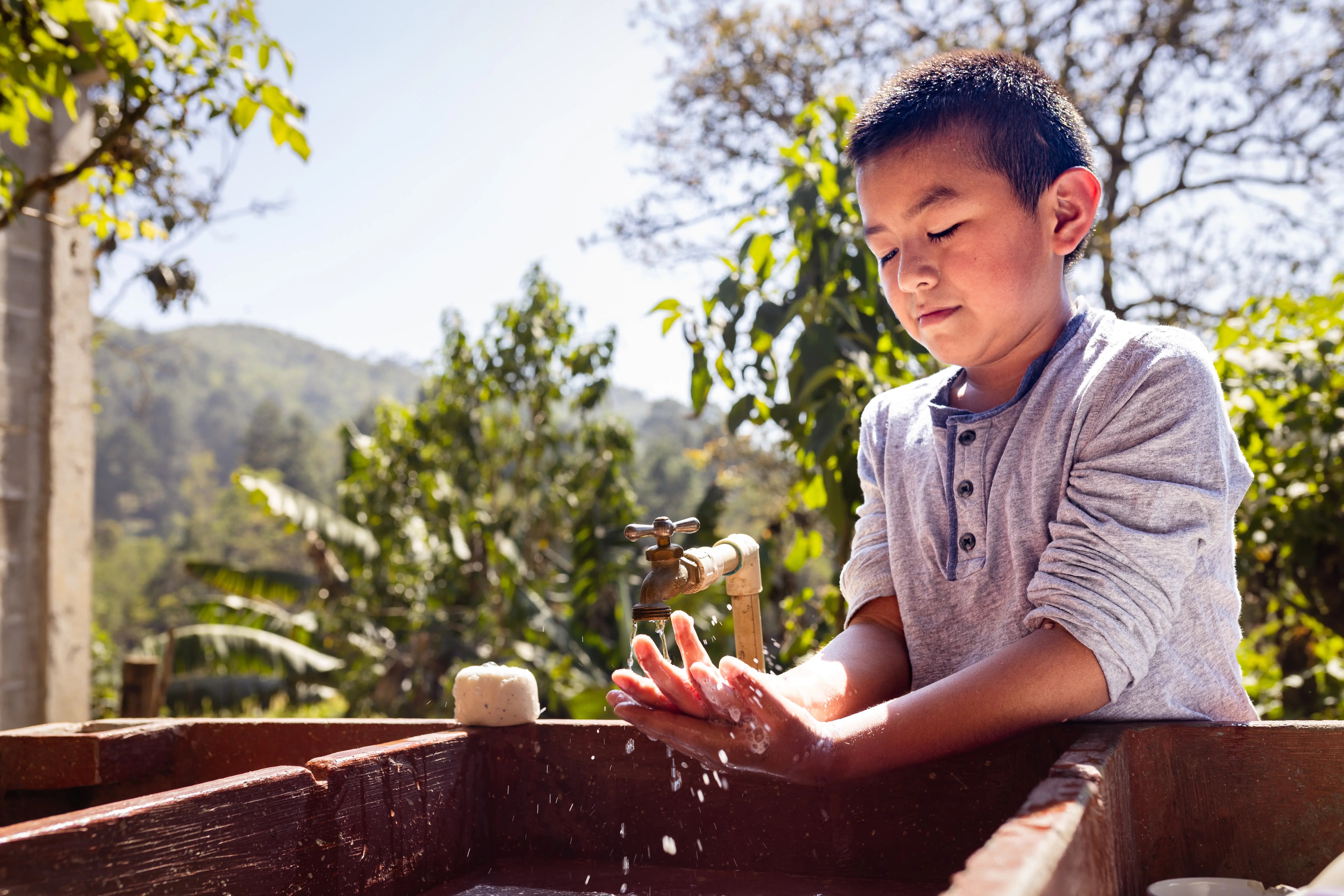
On February 29th, 2024, in the village of La Pistam Nebaj, María Cristina, 2 years old (left), washes her hands.
.webp?width=350&height=233&name=UNI535087%20(1).webp) @UNICEF/UNI535087/Guatemala/2024 @UNICEF/UNI535087/Guatemala/2024 |
 @UNICEF/UNI535052/Guatemala/2024 @UNICEF/UNI535052/Guatemala/2024 |
We
give
BACK
Cotes, in partnership with NGOs like UNICEF, have enabled fresh drinking water initiatives in communities around the world that need it most. Cotes has given over 240,000,000 litres of fresh drinking water from 2022 through 2025. Learn more on how We Give Back: www.cotes.com/WeGiveBack

[1] UNICEF Annual Report 2023
[2] Water, Sanitation and Hygiene WASH